
The same things that made Myrtle Beach, South Carolina, a popular golf destination 40 years ago are still the same things that make it attractive today — accessible public and resort golf, some of the most beautiful beaches on the East Coast, more than 2,000 restaurants and a wide variety of accommodations.
It was back in 1969 that a novel concept of the modern golf package and golf-centric destination marketing was born along the Grand Strand. Additional “firsts” followed, such as the electronic tee sheet, dynamic pricing and the embracing of world-class golf hospitality.
“If you spend any time in Myrtle Beach, you soon understand how creative and innovative this community is, especially around the game of golf,” says Ryan Cannon, who became the executive director of Golf Tourism Solutions in January 2024.
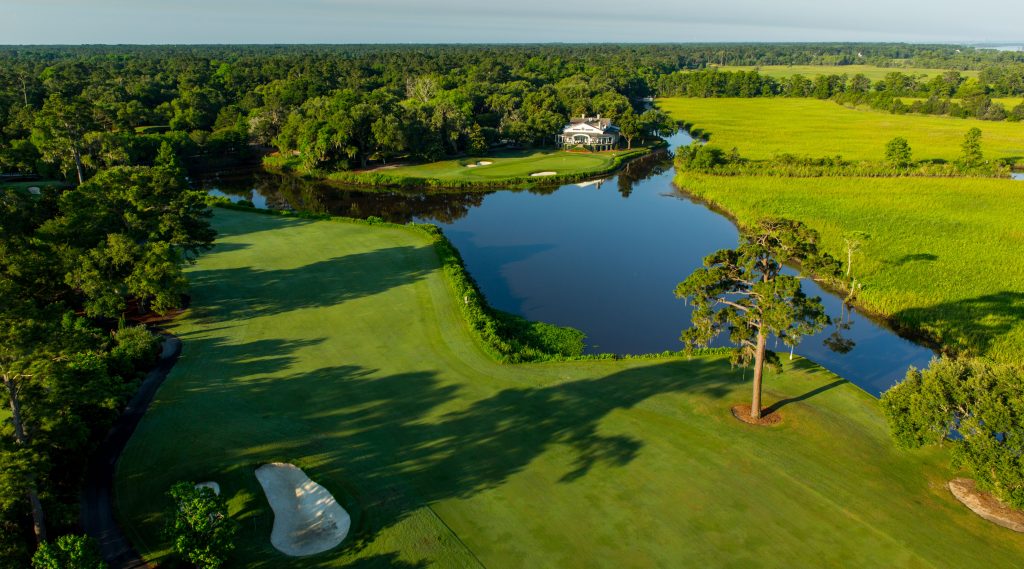
The agency has for decades been responsible for marketing and promoting the area as a golf destination with the branding of The Golf Capital of the World.
Once on board, Cannon quickly partnered with the National Golf Foundation for the first time ever on an economic impact report focused on the Myrtle Beach area golf market. Some of the findings were eye opening.
For starters, the NGF study reported that Myrtle Beach area golf was a $1.6 billion industry with more than 3 million rounds played in 2024. It was also a business that employed more than 13,000 workers with 90% of the courses in the footprint being public access.
“If you want to put your finger on the pulse of what public golf, destination golf and resort golf in America looks like, then this is where that happens,” Cannon says. “There is just a very unique scale to it all here.”
Indeed, and the NGF study provided Cannon and others at Golf Tourism Solutions more of that “creative juice” that Myrtle Beach has never been lacking.
“The idea started to surface how much golf there is here and how much travel golf there is, and that Myrtle Beach could make a pretty strong case for your company to have a presence here and call Myrtle Beach home,” Cannon says. “Things like golf equipment manufacturing to golf management software to anything in chemicals or agronomy.
“Before I moved to Myrtle Beach I was living in Frisco, Texas, and I’m not a Dallas Cowboys fan at all but I went and saw their stadium because it’s an experience to go see it,” he adds. “We could create the same thing here with golf, something experiential since you’re close to the customer and all of these customers are coming to you.”
With the hopes of positioning Myrtle Beach as a hub for golf commerce across the country, Golf Tourism Solutions recently entered into a partnership with the Myrtle Beach Regional Economic Development Corporation and Horry County officials.
“The purpose is to try to be more intentional about attracting golf businesses,” Cannon says. “It’s in its early days, but so far we’ve had some folks express an interest. We know these things can sometimes take years to fully develop but it never happens unless you aim at it. And that’s what we’re aiming to do.”
Cannon says other areas have tried a similar approach, marrying destination golf travel with golf business — most notably Pinehurst — with modest success. The North Carolina Sandhills area has landed such companies and organizations as Golf Pride, U.S. Kids Golf and the United States Golf Association. The World Golf Hall of Fame also returned to Pinehurst recently.
“I love North Carolina, but I believe South Carolina as a state just leans into the game in kind of a unique way,” Cannon says. “The GDP (gross domestic product) last year for South Carolina was $360 billion. As far as a relative percentage of contribution of the golf market to total state GDP the only other state where golf is a larger contributor would be Hawaii, but Hawaii’s state GDP is less than a $100 billion.”
Cannon says Myrtle Beach golf has also been bolstered in the last five years by the rapid growth of Horry County.
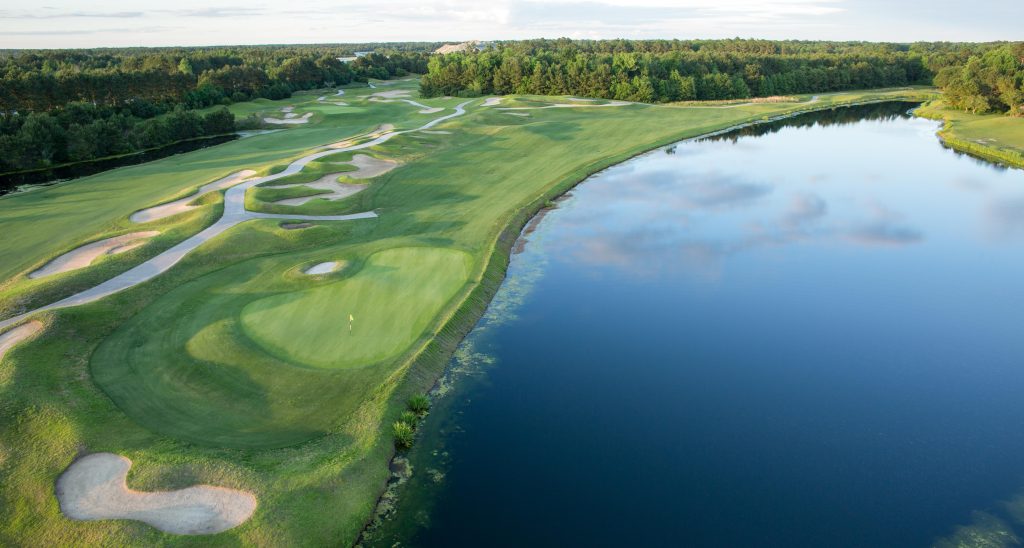
“The one thing that has changed in the Myrtle Beach area golf market is for a long time it was very seasonal here,” Cannon says. “The spring would be huge, the summer would be steady, the fall would be busy again, and then you’d see kind of a softening in the winter months. But what’s happened is a lot of the people that spent 20 years making a golf trip to the Myrtle Beach area have since moved here. So, I would say there’s now just a large year-round population who is also playing in addition to the travel destination golfers.”
Cannon would like nothing more than to land a few top-notch golf businesses heading into next year, which will be the centennial year of the sport in Myrtle Beach. Pine Lakes Country Club opened in 1927.
“If you look throughout the golf industry, from operations to media to sales, there are so many people whose careers have come through Myrtle Beach in some way,” Cannon says. “And millions from around the world have come to Myrtle Beach for a golf trip because we’ve been doing it here at scale longer than anybody else. And so what better place to be the hub of golf and golf innovation, and just develop a thriving golf ecosystem.
“We do want to be intentional about attracting golf business and we do believe we can get there, and that’ll be good for the community. I do believe deeply that participation in the game of golf is just fundamentally a good thing. You would be hard pressed to find communities that embrace the game that aren’t generally nice places to live … and this is a beautiful place to live and vacation.”