
Enjoying a golf course you play for the first time is a subjective experience, with lots of variables. If you had a chance to talk to the architect after your round, what questions would you ask each other? What does the architect want you to notice while you play?
During course design and construction, many decisions are taken for practical reasons — safety, infrastructure and economics. Outcomes are also the result of the architect, owners, course construction and maintenance crews making small decisions that add up to the overall impression that a course makes.
One choice is whether or not to have a signature hole. Maybe in thinking about where to travel, golfers envision playing those amazing holes that some courses have built their reputations on. Architect Erik Larsen, founder and owner of Larsen Golf, worked closely with Arnold Palmer, helping with modifications on well-known courses like Pebble Beach Golf Links (Pebble Beach, California) and Arnold Palmer’s Bay Hill Club and Lodge (Orlando, Florida). Signature holes are a preference, and sometimes that is what the land gives you, but generally, Larsen’s philosophy doesn’t include them.
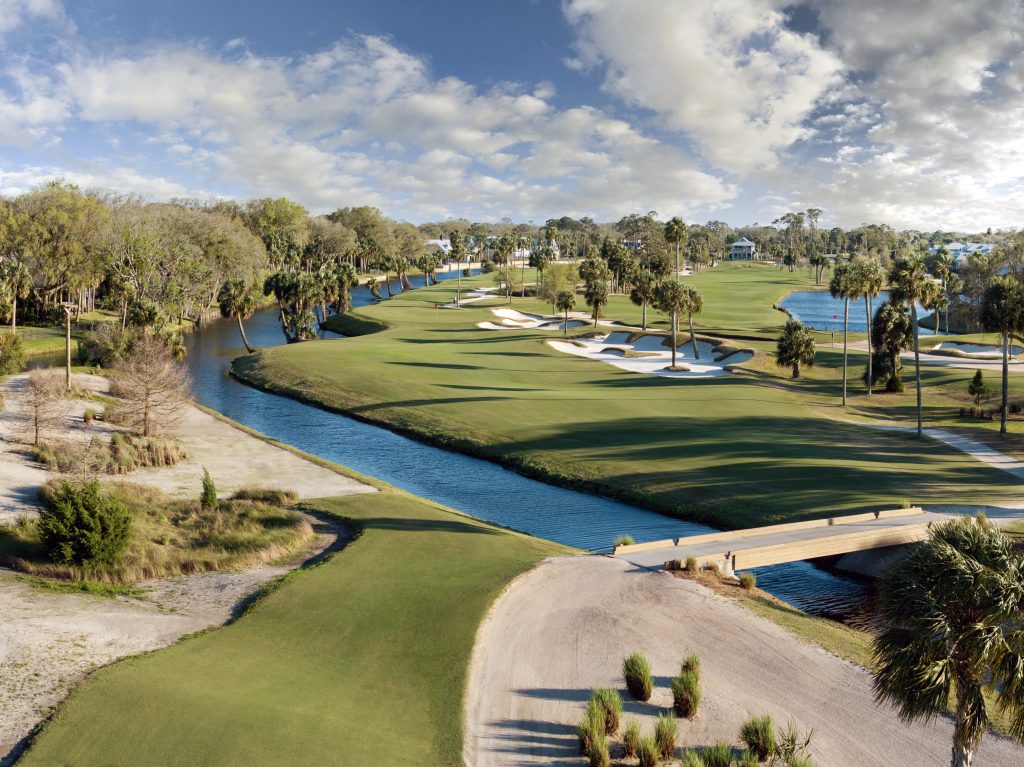
“Every hole should have its own value,” Larsen says. “Sure, there are going to be some better than others, but the golf holes should create a composition that is a signature or a character type. Golf holes are like songs on an album, and the album has an identity. The holes all have the variety to create interest, but they are all of the same genre. The course is the signature.”
Architects understand what creates this signature and what makes an impression. Safety and infrastructure are important aspects of course design, and contribute to the experience and playing conditions, but they’re not what golfers are thinking about. What golfers instinctively notice is the beauty of the course — the impression the landscape makes.
“Golfers like to play a course that is in great condition,” says Larsen, “but beauty is going to be what stays in their minds, the inherent beauty of the site. If the site is pretty and has unique natural features, they will remember that as much as anything. Nature is infinite, it’s always different, and that is what you want to accentuate through design so that it resonates with travelers. You are trying to complement the natural beauty of the land.”
What the architect will be happy for you to think about, beyond the impression made by the landscape, is the strategy of the course. Is it fun to play? Is it challenging? “We get that beauty and strategy are subjective, but there’s a minimum standard of quality there,” Larsen says. “We try to incorporate a wow factor, but that comes in different forms, from different styles of golf course, whether it’s a links course, parkland, or something different. That character type is enhanced by design.”
New and less experienced golfers might not even know what they are looking for, but as they develop, they will move beyond visual impressions to more of the strategy that the architect has so thoughtfully crafted.
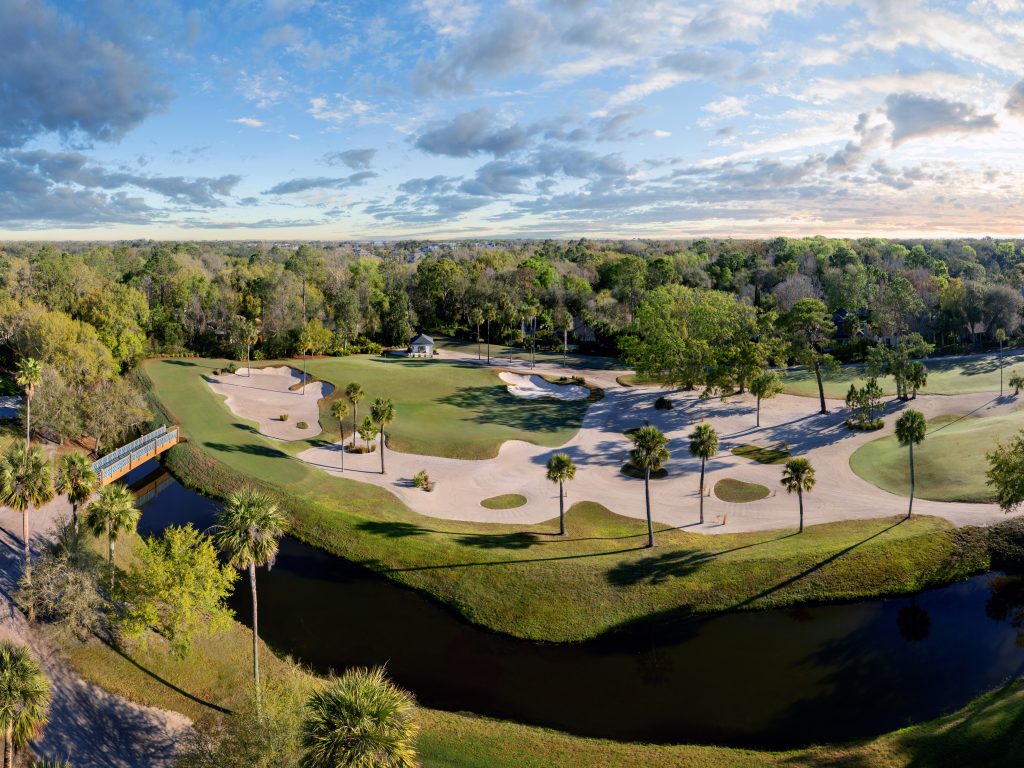
“When players hit good shots, where they want them to go, the hole begins to unlock for them,” Larsen says. “They can attack the pin and score, with a higher percentage of success, from a certain position. Golfers who look for risk-and-reward opportunities, and accomplish them, gain enjoyment. That’s the hidden character of the course. You have to dig for it and discover it. It’s tough for golfers to learn the strategy playing a course for the first time.”
So, how can golfers choose a course when they are traveling? Knowing what makes a new course fun for you will help you determine where to tee it up for your next round. Are you interested in tracks that are ranked, or that have cult followings? Are you interested in something quirky, a layout with gorgeous coastal views, or something scorable that will bolster your handicap? Only you know these answers, and you can think about the variables when you learn more about what is available at your destination.
Golfers somewhere new can act like the professionals, too, learning as they go, and in case they want a repeat round. “Pros often go to the green and look backwards,” says Larsen, “to understand from where to attack the green. They discover where to land their tee shot for the best angle of approach. That’s smart.”
When golfers play a new course, they will effortlessly absorb its presentation — its natural beauty and the conditioning. Architects know this and design for these elements. What is rewarding for golfers to learn, by looking forwards and backwards and thinking about it all, is the strategy the architect has given them clues to discover.